
The allure of risk-taking
The excitement of risk-taking is deeply ingrained in human psychology. For many, engaging with games of chance in casinos represents a thrilling escape from the monotony of everyday life. The prospect of winning something substantial can evoke feelings of euphoria, which outweighs the potential for loss. This balancing act between risk and reward stimulates the brain’s reward system, releasing dopamine—a neurotransmitter linked to pleasure and motivation. Consequently, the environment of a casino fuels this desire for excitement, especially when players explore various betting sites that offer enticing options to wager in pursuit of favorable outcomes.
The need to test one’s fate in these venues is not merely about monetary gains; it often reflects a quest for social interaction and shared experiences. Casinos are designed to be vibrant social hubs where patrons can revel in the company of others, creating a sense of community that amplifies the enjoyment of risk-taking. The lights, sounds, and overall atmosphere contribute to a unique experience that can be exhilarating, triggering a sense of camaraderie among players who share in their triumphs and defeats. This social dimension enhances the appeal of gambling, making it less of a solitary activity and more of a collective celebration of risk.
Moreover, the psychology of risk in casinos can be connected to a broader context of personal empowerment. By engaging in risky behaviors, individuals often feel a sense of control over their circumstances, even if it is based on chance. This illusion of control can be addictive; players may believe that their choices influence the outcome, motivating them to push further into the realm of risk. As they navigate the challenging terrain of luck, they simultaneously embark on a journey of self-discovery, testing their limits and exploring their strategies in the ever-changing landscape of chance.
The thrill of uncertainty
Uncertainty plays a crucial role in our attraction to casinos, as it introduces an element of surprise that can be both daunting and exhilarating. The unpredictable nature of games like poker and blackjack creates a dynamic environment where players must think on their feet and adapt their strategies. This unpredictability is part of the allure; it prompts excitement and keeps players engaged. When the outcome is uncertain, the stakes feel higher, enhancing the thrill associated with every decision made at the gaming table.
This dynamic is further compounded by the psychological phenomenon known as the “near-miss” effect—when players come close to winning but ultimately fall short. Near-misses can lead to feelings of hope and encourage individuals to keep playing, as they often interpret these close calls as a sign that a significant win is just around the corner. The casino environment thrives on this excitement, continuously inviting players back for more chances at victory. Each game becomes a potential gateway to triumph, drawing players into a cycle of risk that can be incredibly compelling.

In addition, casinos often employ various psychological strategies to heighten this thrill of uncertainty. For instance, they might offer player loyalty programs or exciting promotions that seem tailored to the individual’s playing habits. These strategies not only entice players to return but also amplify their desire to engage in risk, as people naturally gravitate toward opportunities that promise unique experiences or rewards. In this way, the casino experience becomes multifaceted, intertwining risk with the potential for personal excitement and enjoyment.
The seductive power of wins and losses
Wins and losses in gambling present a fascinating intersection of psychology and behavior. The joy associated with winning, no matter how small, can create a powerful psychological reinforcement that encourages future risk-taking. For many individuals, even a modest win can provide a significant surge of confidence and motivation, prompting them to take further risks. This cycle of winning and losing can become addictive, as players find themselves constantly chasing the next high. The casino environment plays into this by creating a vibrant atmosphere filled with sounds of celebration, further amplifying the positive feelings connected to winning.
Conversely, the emotional toll of losses also plays a critical role in the gambling experience. Those who experience repeated losses may find themselves in a state of cognitive dissonance, struggling to reconcile their expectations with reality. This can lead to a phenomenon known as “loss chasing,” where players continue to gamble in an attempt to recover their lost funds. The emotional roller coaster that comes with frequent wins and losses keeps players engaged, as they strive for that elusive big win while battling the risks inherent in the experience.
The interplay of wins and losses also highlights the importance of self-control and personal boundaries in a gambling environment. While some people may find strategies to manage their gambling habits effectively, others may struggle with impulses that lead to excessive risk-taking. Understanding this psychological component is crucial, as it serves to inform both responsible gambling practices and the strategies casinos use to draw in players. The allure of potential wins, despite their unpredictability, continues to attract individuals of all ages and backgrounds to casino venues, engaging them in an ongoing dance with risk.
Cultural perceptions of gambling
The cultural context surrounding gambling has significant implications for how individuals perceive and engage with risk in casinos. In many societies, gambling is viewed as a thrilling pastime, often glamorized through media representation and popular culture. This portrayal can contribute to an overall acceptance of risk-taking behaviors in specific social settings. As individuals see successful narratives around gambling in films or online platforms, this creates an aspirational quality that influences their decisions to engage with casinos, further normalizing the association between risk and enjoyment.
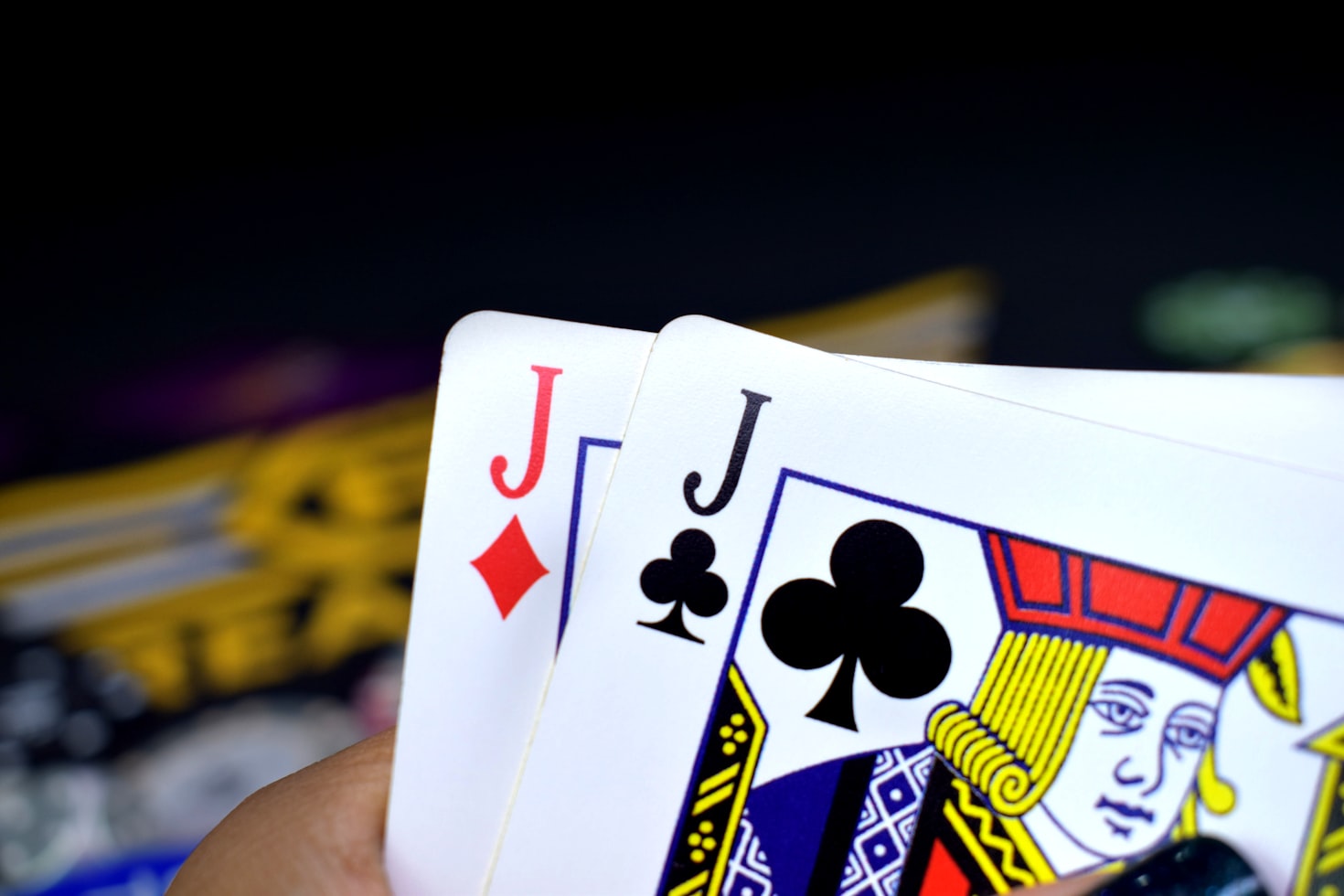
Additionally, the legalization of gambling in various jurisdictions has contributed to a shift in cultural attitudes, creating more opportunities for individuals to partake in these activities. As casinos establish themselves as legitimate entertainment venues, they attract a diverse audience looking for leisure activities. This broadening of the gambling landscape often results in varying attitudes towards risk, where different demographics may approach gaming as a form of recreation or as a serious pursuit. This dichotomy reflects the diverse psychological motivations that individuals bring to their experiences in casinos.
The impact of culture on risk perception also extends to the ways in which communities engage with gambling. In some regions, traditional beliefs and practices may influence attitudes toward casinos, framing gambling as a communal activity that fosters social bonds. This cultural lens can lead to a more favorable view of risk-taking, emphasizing its potential for building relationships and enhancing social cohesion. As individuals navigate the complexities of gambling within their cultural frameworks, the psychological motivations behind their actions grow increasingly nuanced, shaping their overall experiences in the casino environment.
Exploring more about casinos and risk
For those curious about the intricate relationship between psychology and casinos, further exploration can yield valuable insights. Understanding the complex factors driving human behavior in gambling contexts encourages a deeper appreciation for the role of risk in our lives. By examining the psychological underpinnings of why we are drawn to casinos, individuals can gain a clearer perspective on their motivations and actions in these settings.
Engaging with resources that delve into the multifaceted aspects of risk-taking in casinos can empower players to make informed choices regarding their gambling habits. Whether examining the social, psychological, or cultural dimensions of casinos, this exploration fosters a greater awareness of how these environments shape experiences and perceptions of risk. Readers can discover a wealth of knowledge that guides responsible gambling practices while enhancing their understanding of the thrill associated with risk.
Ultimately, the psychology of risk and our love for casinos intertwine in fascinating ways, revealing profound insights about human behavior. By embracing a mindset that values responsible engagement with risk, individuals can enjoy the excitement of casinos while making informed decisions to safeguard against potential pitfalls. The ongoing dialogue surrounding casinos and their psychological impact ensures that this captivating topic continues to resonate, encouraging exploration and understanding of the intricacies of chance and choice.